Umožňují základní funkce webových stránek, jako je přihlášení uživatele a správa účtu. Webové stránky nelze bez nezbytně nutných souborů cookies správně používat.


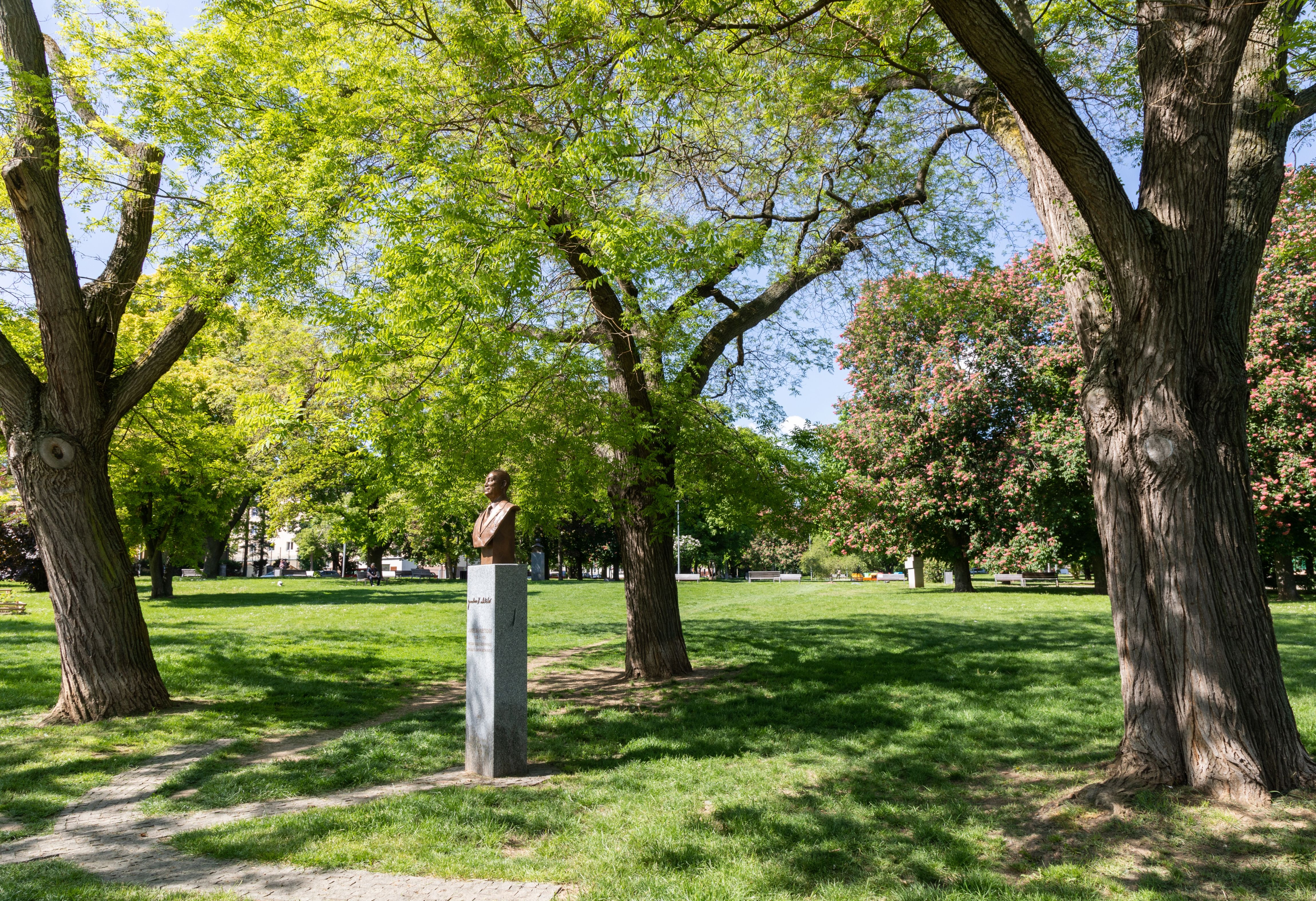
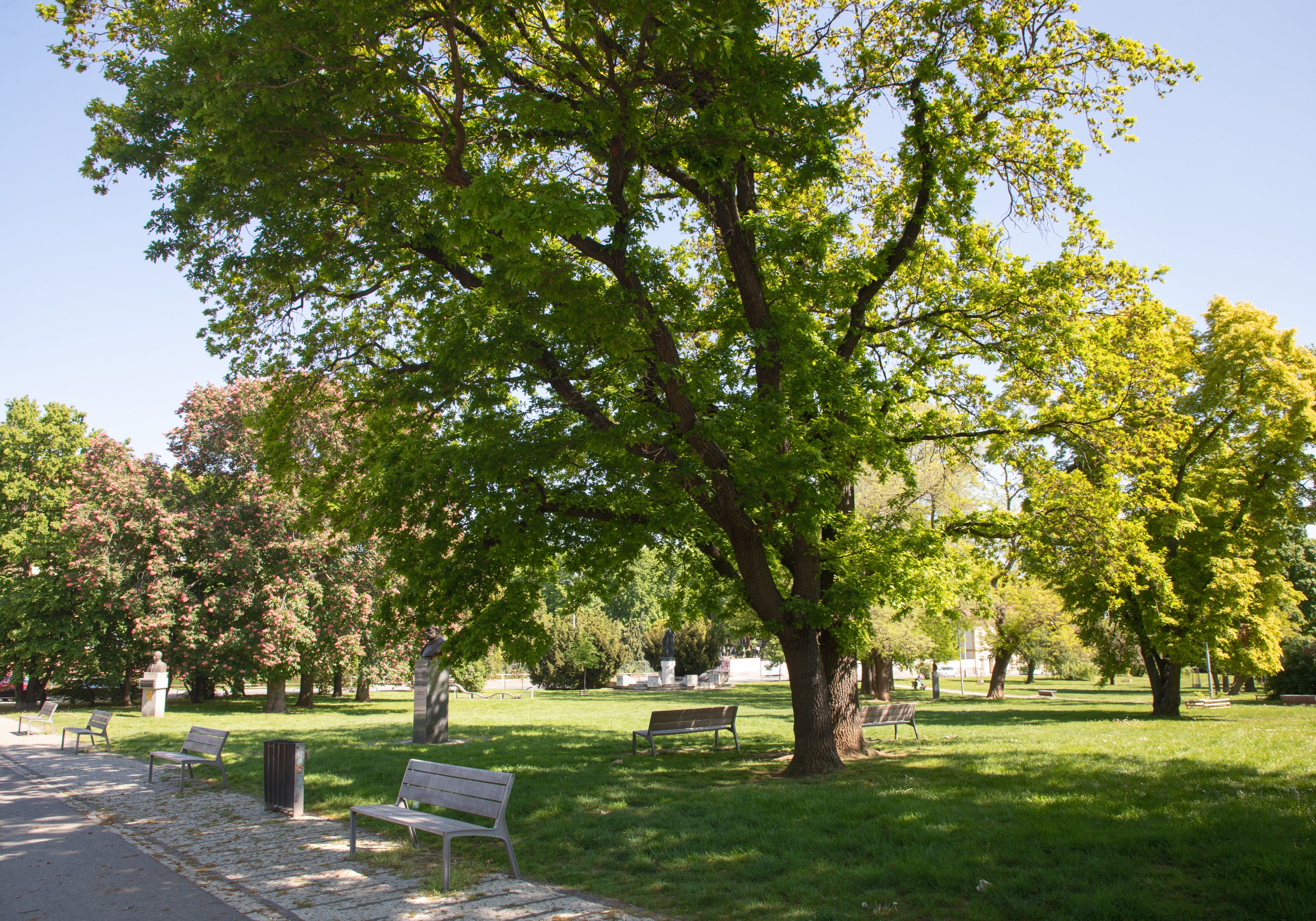
Park generála Lázaro Cárdenase del Río
GALERIE LATINSKOAMERICKÝCH LIBERÁTORŮ
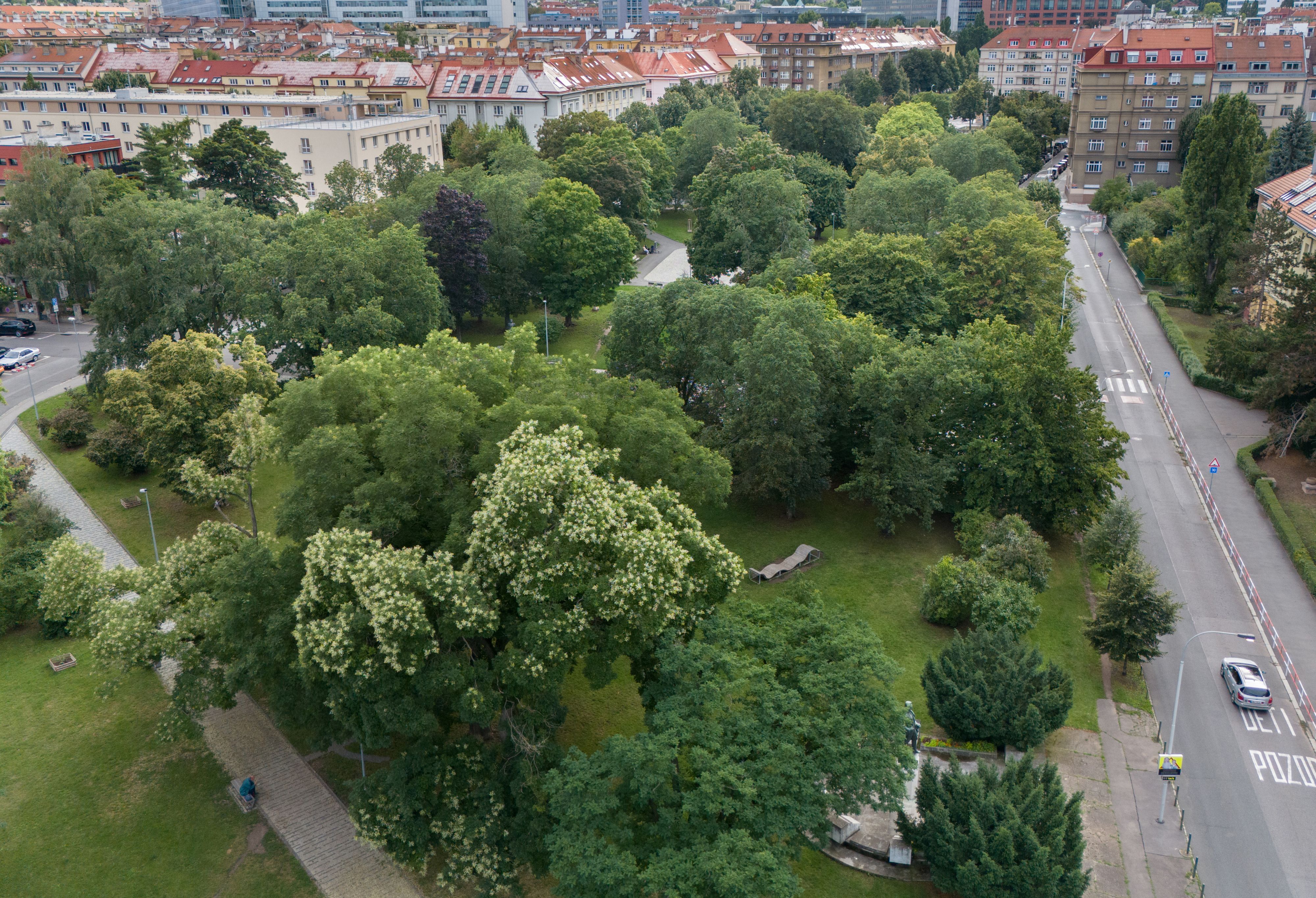
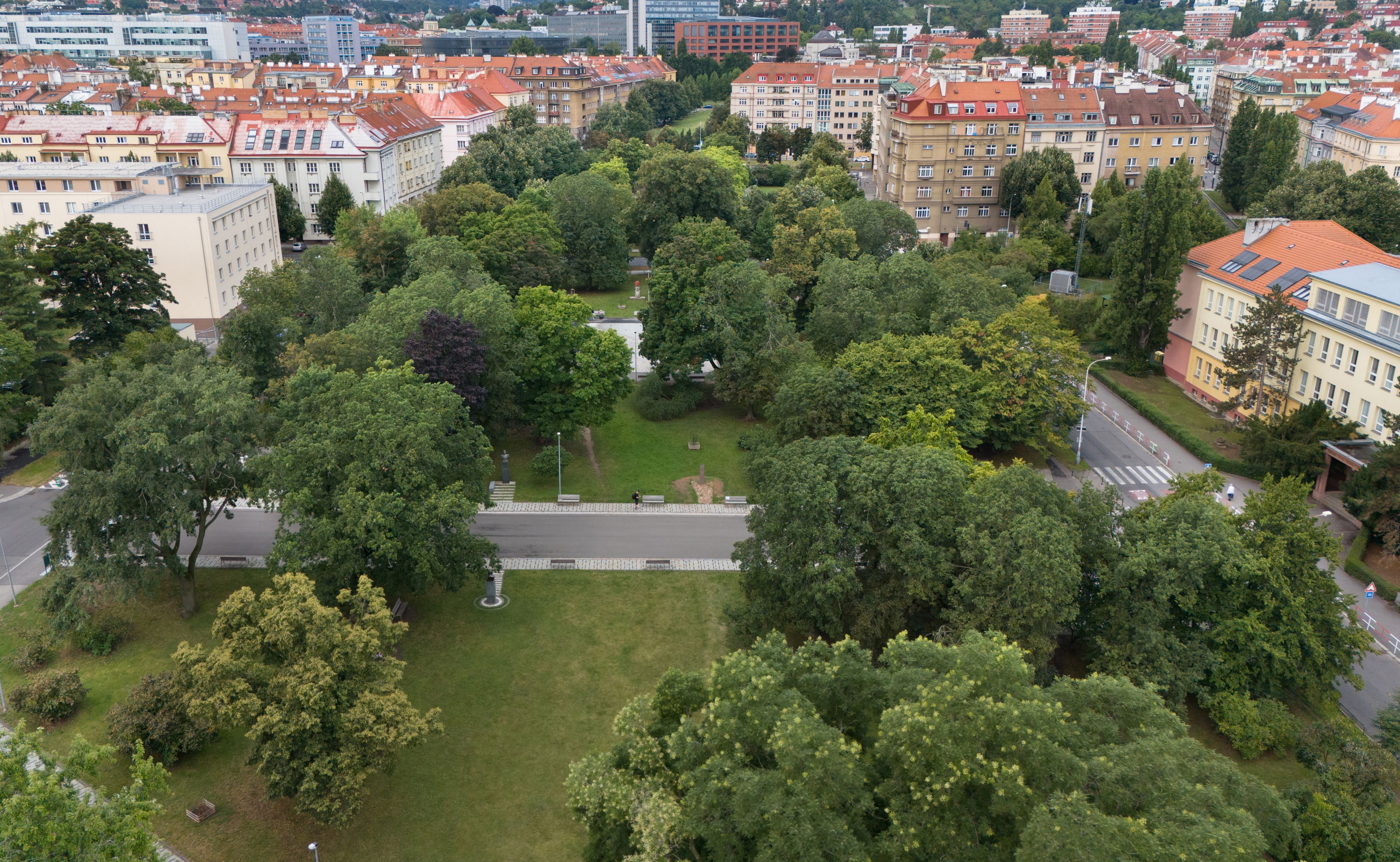
Park vznikl jako součást zeleného pásu regulačního plánu profesora Antonína Engela z roku 1920, spojujícího Královskou oboru (Stromovku) se zahradami Pražského hradu.
V průběhu sedmdesátých let dvacátého století zde byly umístěny pomníky, které městu Praze věnovaly státy Mexiko a Venezuela. V roce 2000 byla tato část parku formálně oddělena a pojmenována po mexickém generálovi a pozdějším prezidentovi na park Generála Lázara Cárdenase del Río.
Ve spolupráci s ambasádami států Jižní a Střední Ameriky zde začala od roku 2015 vznikat galerie osobností pod širým nebem – Galerie latinsko-amerických liberátorů. Jejím záměrem je prezentovat na osobnostech jednotlivých států historii a vývoj těchto kontinentů v posledních dvou stoletích.
Slovo “liberator” pochází od latinského základu “liberare”, což znamená “osvobodit”. Kořen “liber-” je spojován s myšlenkou svobody, odvozený od slova “liber”, které znamená “svobodný” nebo “osvobozený”. Význam slova se přenesl do dalších evropských jazyků, včetně češtiny, kde se používá podobné slovo “osvoboditel”. Historický kontext používání slova “liberator” sahá do antického Říma, kde byli osvoboditelé především politickými nebo vojenskými vůdci, kteří se snažili osvobodit lid od tyranie nebo útlaku. V pozdější historii slovo “liberator” nabralo nového významu během různých revolucí a osvobozeneckých hnutí.
Od roku 2015 zde pak byly ve spolupráci s ambasádami postupně umístěny busty Bernardo O´Higginse, Juscelino Kubitscheka de Oliveira, Miguela Grau Seminario a replika sochy moai z Velikonočních ostrovů. Zatím posledním liberátorem, jehož busta byla v parku umístěna v září 2025, je generál Lázaro Cárdenas del Río. Záměrem městské části Praha 6 je navázání spolupráce s dalšími státy latinskoamerické destinace a doplnění galerie o několik dalších významných osobností – liberátorů této části světa. Limitou je konečná kapacita parku.
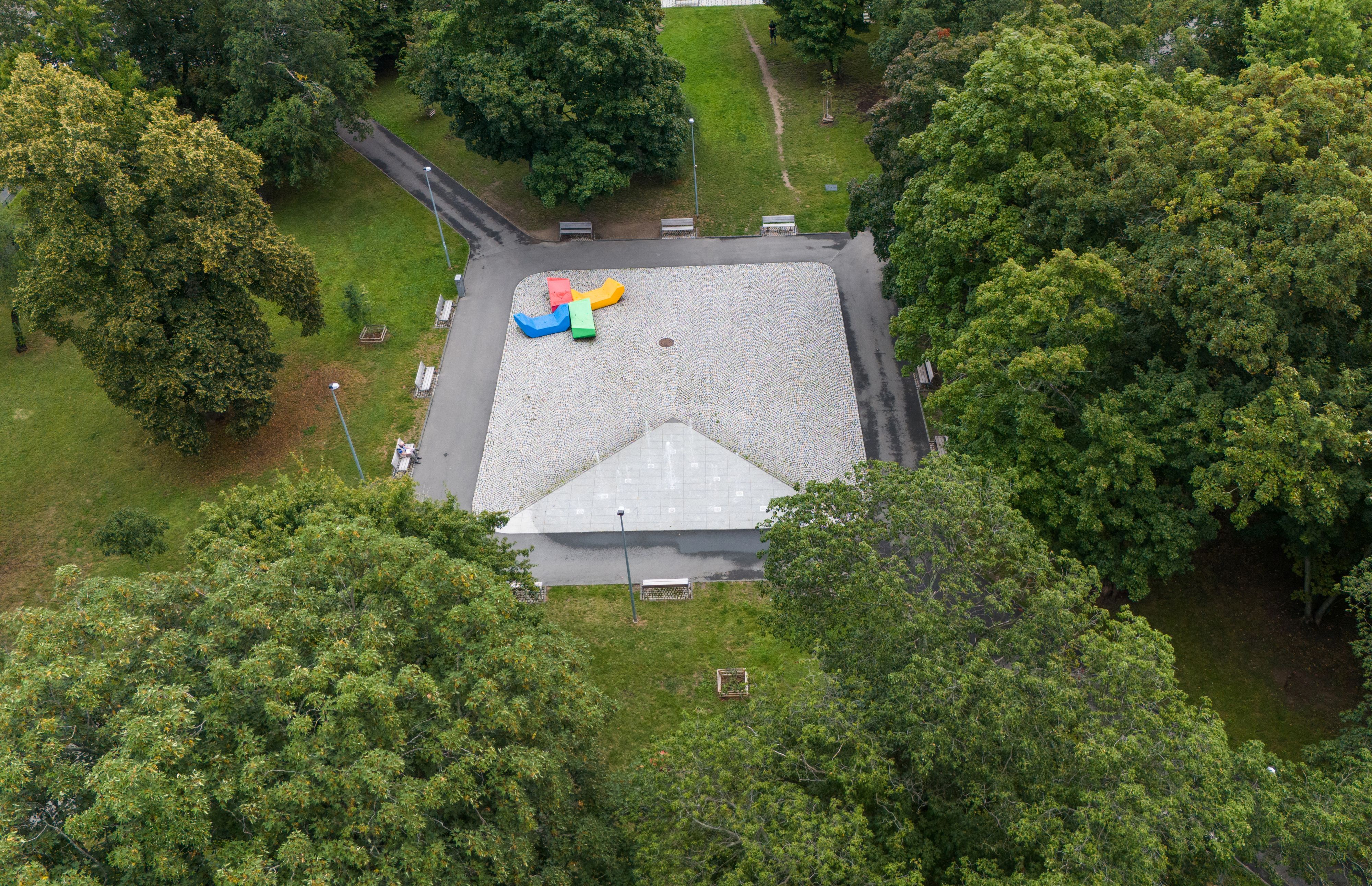
V letech 2022 – 2023 prošel celý park Generála Lázaro Cárdenase del Río rekonstrukcí a byl doplněn o vodní prvek – fontánu s barevnými efekty. Vodní trysky fontány jsou propojeny s okrasnými LED reflektory a je tedy možné i měnit barvy. Vzhledem k umístění fontány a častému konání národních oslav latinskoamerických komunit je možné při takovýchto příležitostech nastavit barevný program fontány v národních barvách těchto zemí. Celkem 12 fontánových trysek umí měnit barvy, stříkat tryskami do různých výšek a také vypouštět mlhu. Autorem návrhu fontány a rekonstrukce parku je architekt Luboš Pata.
General Lázaro Cárdenas del Río Park
GALLERY OF LATIN AMERICAN LIBERATORS
The park was created as part of the green belt of the regulatory plan of Professor Antonín Engel from 1920, which connected the Royal Game Reserve (Stromovka) with the gardens of Prague Castle.
During the 1970s, monuments donated to the City of Prague by the states of Mexico and Venezuela were placed here. In 2000, this part of the park was formally separated and named after the Mexican general and later president, General Lázaro Cárdenas del Río.
In cooperation with the embassies of South and Central American states, an open-air gallery of personalities – the Gallery of Latin American Liberators – has been created here since 2015. Its aim is to present, through the figures of individual states, the history and development of these continents over the past two centuries.
The word “liberator” comes from the Latin root “liberare”, meaning “to free”. The root “liber-” is associated with the idea of freedom, derived from the word “liber”, meaning “free” or “freed”. The meaning of the word was carried over into other European languages, including Czech, where the similar word “osvoboditel” is used. The historical context of the word “liberator” goes back to ancient Rome, where liberators were primarily political or military leaders who sought to free the people from tyranny or oppression. In later history, the word “liberator” gained a new meaning during various revolutions and independence movements.
Since 2015, busts of Bernardo O’Higgins, Juscelino Kubitschek de Oliveira, and Miguel Grau Seminario, as well as a replica of a moai statue from Easter Island, have gradually been placed here in cooperation with the embassies. The most recent liberator whose bust was unveiled in the park in September 2025 is General Lázaro Cárdenas del Río. The intention of the Prague 6 district is to establish cooperation with further Latin American countries and to enrich the gallery with several more significant figures – liberators of this part of the world. The limitation is the final capacity of the park.
Between 2022 and 2023, the entire General Lázaro Cárdenas del Río Park underwent reconstruction and was complemented with a water feature – a fountain with colorful effects. The fountain’s water jets are connected to decorative LED reflectors, allowing the colors to be changed. Thanks to the location of the fountain and the frequent national celebrations of Latin American communities, it is possible on such occasions to set the fountain’s light program in the national colors of these countries. In total, 12 fountain jets can change colors, spray to different heights, and also release mist. The author of the fountain design and the park’s reconstruction is architect Luboš Pata.
Parque General Lázaro Cárdenas del Río
GALERÍA DE LIBERTADORES LATINOAMERICANOS
El parque surgió como parte del cinturón verde del plan regulador del profesor Antonín Engel de 1920, que conectaba la Reserva Real de Caza (Stromovka) con los jardines del Castillo de Praga.
Durante la década de 1970 se colocaron aquí monumentos donados a la ciudad de Praga por los estados de México y Venezuela. En el año 2000, esta parte del parque fue formalmente separada y nombrada en honor al general mexicano y posterior presidente, General Lázaro Cárdenas del Río.
En cooperación con las embajadas de los países de América del Sur y Central, desde 2015 comenzó a crearse aquí una galería al aire libre de personalidades – la Galería de Libertadores Latinoamericanos. Su objetivo es presentar, a través de las figuras de los distintos estados, la historia y evolución de estos continentes en los últimos dos siglos.
La palabra “liberator” proviene de la raíz latina “liberare”, que significa “liberar”. La raíz “liber-” está asociada con la idea de libertad, derivada de la palabra “liber”, que significa “libre” o “liberado”. El significado de la palabra se trasladó a otras lenguas europeas, incluido el checo, donde se utiliza la palabra similar “osvoboditel” (“libertador”). El contexto histórico del término “liberator” se remonta a la antigua Roma, donde los libertadores eran principalmente líderes políticos o militares que buscaban liberar al pueblo de la tiranía o la opresión. En la historia posterior, la palabra “liberator” adquirió un nuevo sentido durante diversas revoluciones y movimientos de independencia.
Desde 2015, en cooperación con las embajadas, se han ido colocando progresivamente los bustos de Bernardo O’Higgins, Juscelino Kubitschek de Oliveira y Miguel Grau Seminario, así como una réplica de una estatua moai de la Isla de Pascua. El último libertador cuyo busto fue colocado en el parque en septiembre de 2025 es el general Lázaro Cárdenas del Río. La intención del distrito de Praga 6 es establecer cooperación con otros países latinoamericanos y enriquecer la galería con varias figuras más significativas – libertadores de esta parte del mundo. La limitación es la capacidad final del parque.
Entre 2022 y 2023, todo el Parque General Lázaro Cárdenas del Río fue objeto de una reconstrucción y se complementó con un elemento acuático – una fuente con efectos de colores. Los chorros de agua de la fuente están conectados con reflectores LED ornamentales, lo que permite cambiar los colores. Debido a la ubicación de la fuente y a la frecuente celebración de fiestas nacionales de las comunidades latinoamericanas, en tales ocasiones es posible programar los colores de la fuente con los colores nacionales de estos países. En total, 12 chorros de la fuente pueden cambiar de color, alcanzar distintas alturas y también producir niebla. El autor del diseño de la fuente y de la reconstrucción del parque es el arquitecto Luboš Pata.
Benito Juárez (celým jménem Benito Pablo Juárez Garcia)
Simón Bolívar (celým jménem Simón José Antonio de la Santísima Trinidad Bolívar y Palacios Ponte Blanco)
Bernardo O ´Higgins
Socha moai z Velikonočních ostrovů
Juscelino Kubitschek de Oliveira
Miguel Grau (celým jménem Miguel María Grau Seminario)
Lázaro Cárdenas del Río