Umožňují základní funkce webových stránek, jako je přihlášení uživatele a správa účtu. Webové stránky nelze bez nezbytně nutných souborů cookies správně používat.


Socha moai z Velikonočních ostrovů
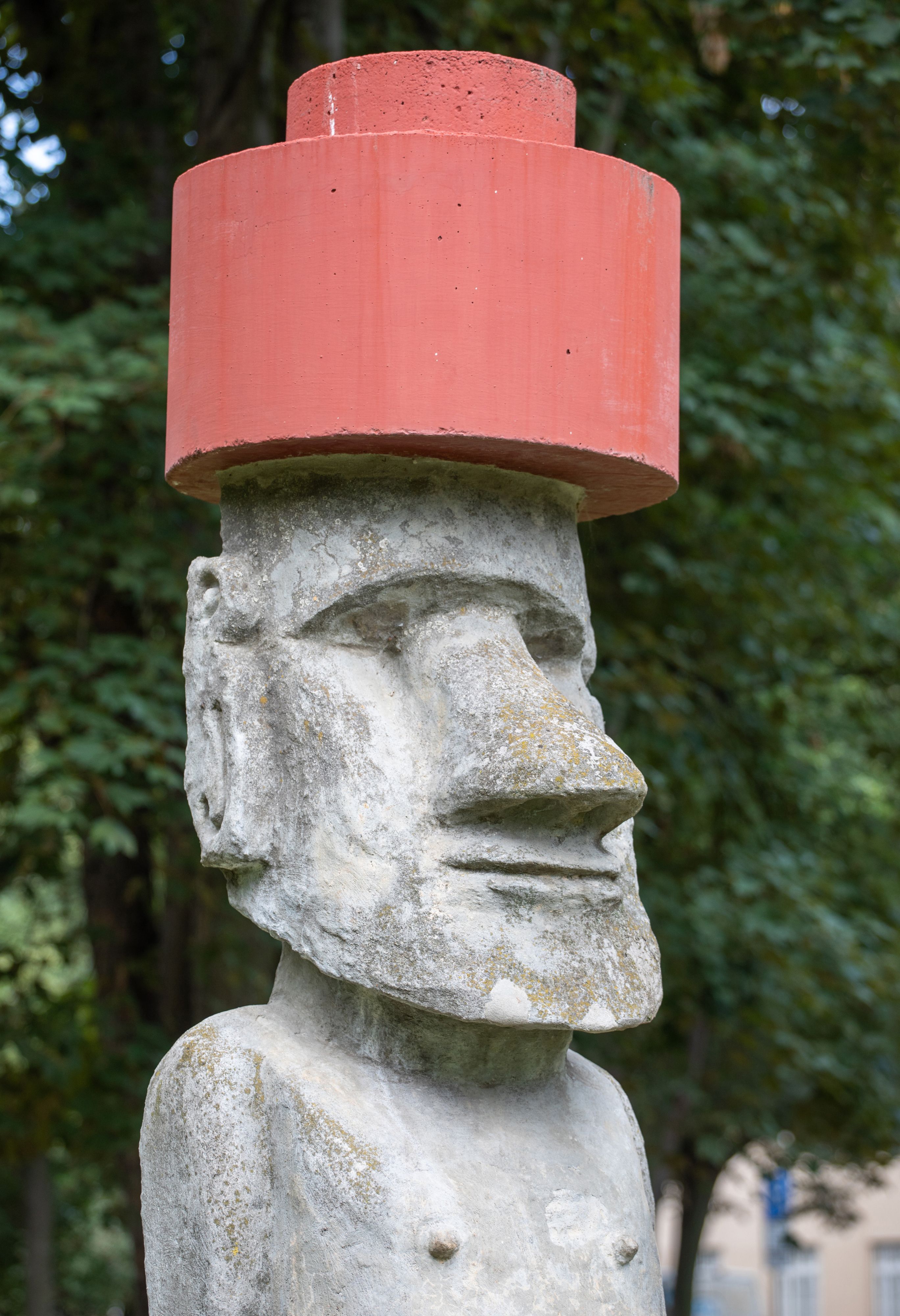
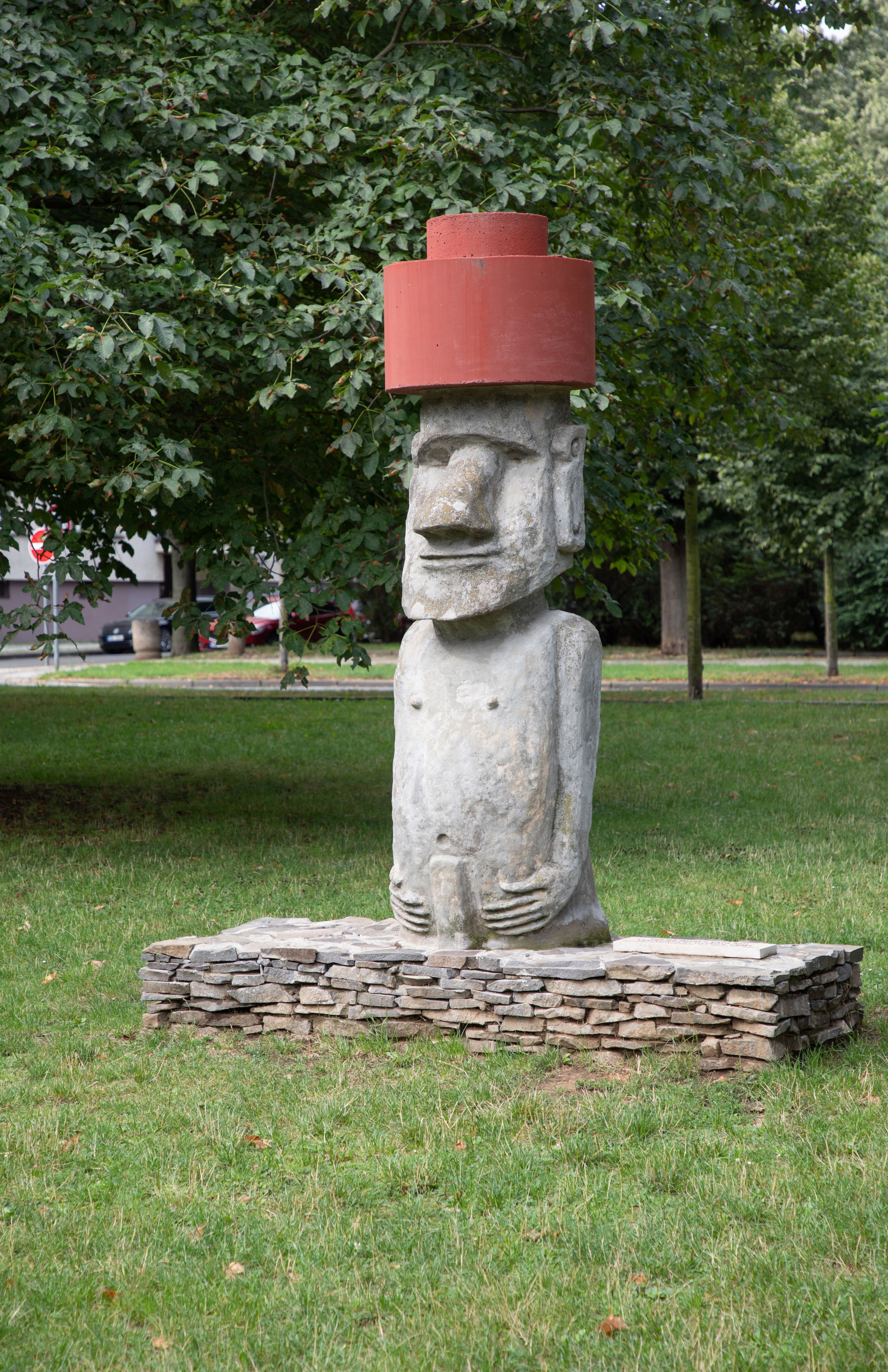
Moai jsou kamenné sochy obřích rozměrů nacházející se na Velikonočním ostrově (Rapa Nui). Celkem jich je zde rozptýleno 887, z nichž vztyčeno bylo jen asi 300. Vypadají jako vysoké placaté obličeje, ale často mají i krk, ramena, ruce a tělo, které jsou ale dnes zasypané v zemi. Některé z nich mají klobouk pukao z červené horniny. Podle jedné z teorií nejde o klobouk, ale styl účesu, který se na Rapa Nui nosil v dobách vzniku posledních soch.
Největší stojící moai měří 9,8 metru, nejmenší jen 1,13. Průměrná výška soch pak činí asi 4 metry a průměrná hmotnost necelých 14 tun. Na Velikonočním ostrově je ale i nedokončená socha o délce 21,8 metru a vážící 270 tun.
Cílem těchto soch bylo nejen uctění předků, ale také demonstrace síly a jednoty jednotlivých rodových klanů. Moai jsou symbolem spojení lidí, krajiny a duchovního světa. Podle legend sochy chránily nejen vesnice, ale i energii celého ostrova – tzv. „mana“, která proudila krajinou.
Materiálem k výrobě soch byly především trachytové tufy, ale k jejich zhotovování byly používány i jiné horniny jako např. mugearity nebo pemza. Největší „sochařská dílna“ byla na vnějších svazích a uvnitř kráteru Rano Raraku, ale sochy vznikaly i na jiných místech ostrova. V Rano Raraku a na jeho svazích je možné dosud nalézt údajně 311 soch, z nichž některé dosahují výšky téměř 10 metrů a hmotnosti 80 tun. Na svahu kráteru se nachází také jedna z nejzajímavějších soch – moai Tukuturi, jediná klečící moai na ostrově.
Sochy byly přepravovány na vzdálenost až 16 km a byly umísťovány na speciálně připravené kamenné plošiny, kterým se říká ahu. Ty byly převážně rozmístěny podél pobřeží. Nejznámější ahu se nachází na svahu sopky Maunga Terevaka, nazývá se Ahu-Akivi a je to jediná ahu, odkud se sochy dívají směrem k moři. Všude jinde jsou sochy obráceny obličeji do vnitrozemí. Největší ahu se nazývá Ahu-Tongariki ve východní části ostrova, je asi 2 metry vysoká a je na ní umístěno 15 soch. Největší kdysi vztyčená moai se dá nalézt u Ahu-Te Pito Te Kura, která se nachází na severním pobřeží ostrova. Nyní však tato 10 metrová socha leží po pádu rozpůlená na dva kusy.
I další významná ahu se nachází u severního pobřeží a nazývá se Ahu-Ature Huki. Přestože na ní stojí pouze jedna socha, je památné tím, že tuto sochu za pomoci ostrovanů vztyčil Nor Thor Heyerdahl. Její vztyčení trvalo 18 dní a podílelo se na něm 12 lidí. Další ahu, Ahu-Nau Nau, je zvláštní nejen tím, že čtyři ze sedmi soch mají nasazeny pukao, ale i tím, že u nich byly objeveny úlomky korálů a skal, které archeologové označili za oči moai. Tyto úlomky se dnes nacházejí v místním muzeu. Podle posledních informací je na ostrově zdokumentováno 311 soch moai, z čehož jen 78, tedy asi třetina, byla dopravena až na některé z ahu. Největší část soch zůstala přímo u zdroje, tedy na svahu sopky Rano Raraku, což je zřejmě důsledek nesmírné náročnosti přepravy soch.
Mnoho teorií o přepravě moai bylo publikováno po celém světě. V České republice jednu teorii, jak sochy přepravovat, představil český vědec Ing. Pavel Pavel, který tzv. „rozchodil sochy“. Jeho v praxi předvedený experiment především ukázal, že k přepravě soch je třeba řádově méně lidí, než předpokládaly předchozí teorie, podle nichž bylo třeba k přesunu mnohatunových kolosů stovek lidí. Pavel Pavel však předvedl poměrně rychlý způsob vztyčování a přesunu soch pomocí jejich rozkývání. Byl pozván Thorem Heyerdalem na jednu z výprav a při ní se skupinou 16 domorodců a za použití pouze primitivních technologií (pouze lana a páky) v praxi předvedl přesun originální sochy. Experiment byl ovšem ukončen předčasně kvůli poškození základu sochy odštěpováním kamene.
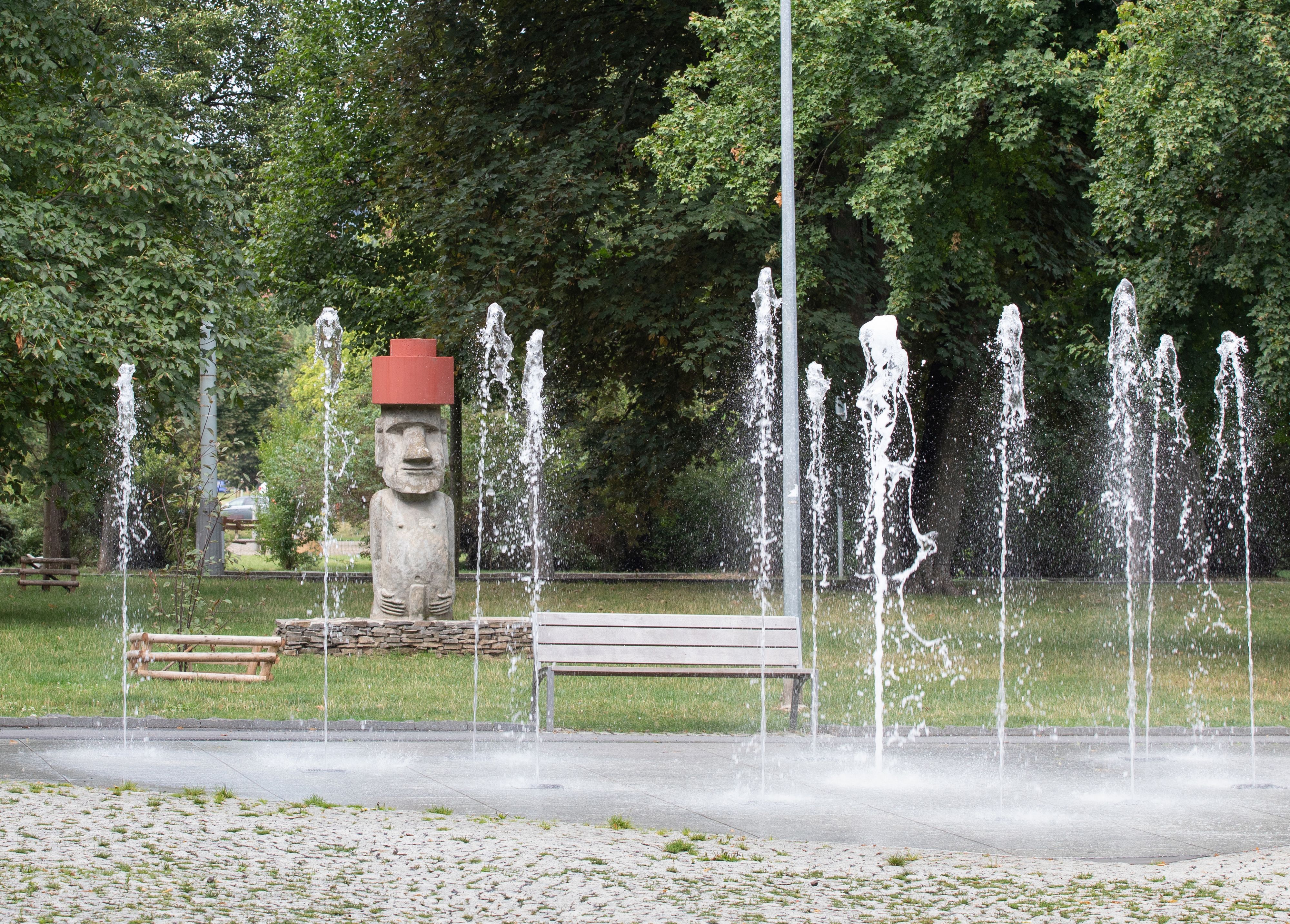
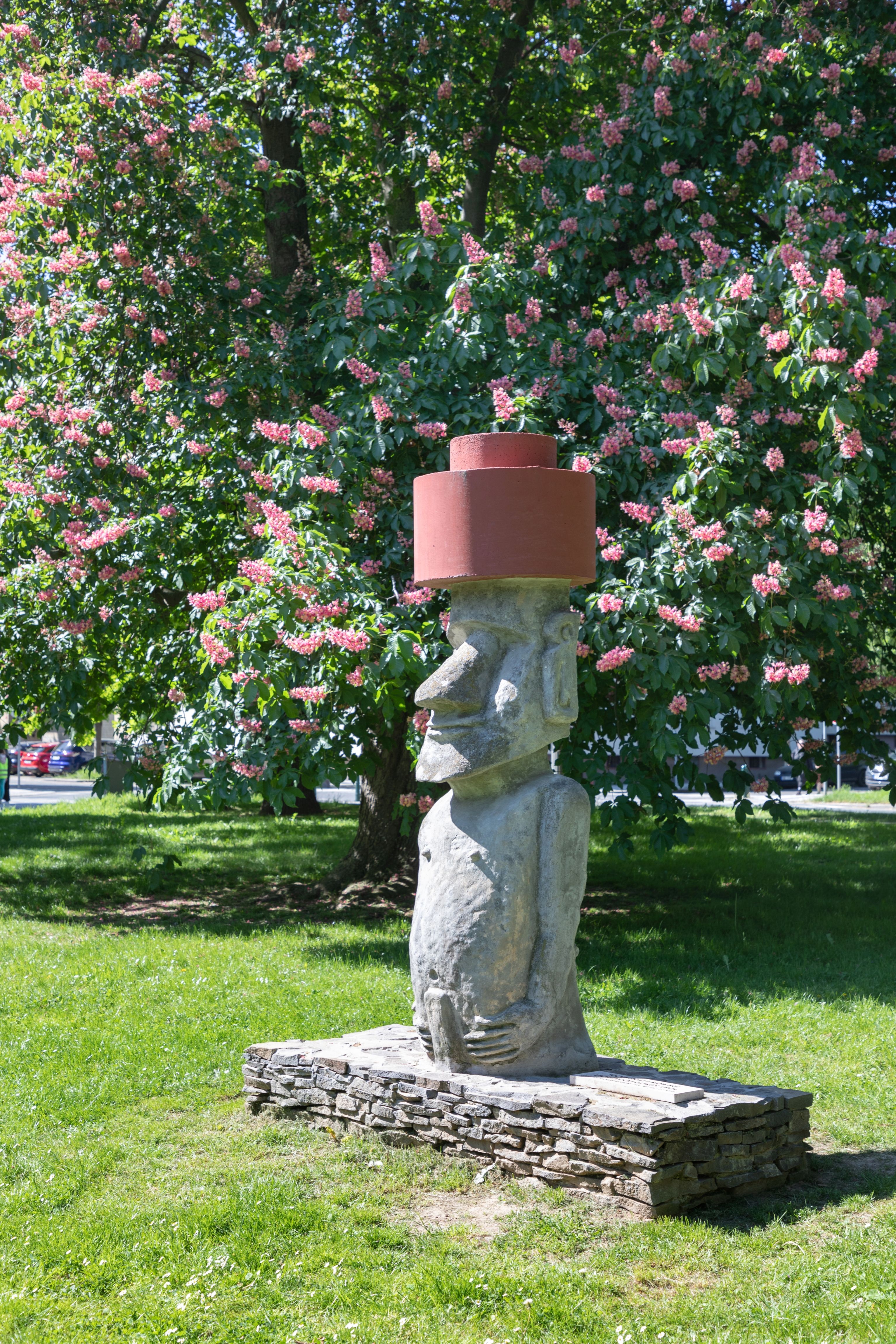
Ing. Pavel Pavel je autorem repliky sochy moai včetně klobouku pukao, kterou věnovalo městské části Praha 6 Velvyslanectví Chilské republiky v roce 2023.
Moai Statue from Easter Island
Moai are giant stone statues located on Easter Island (Rapa Nui). A total of 887 have been found on the island, of which only about 300 have been erected. They appear as tall, flat faces, but often also include a neck, shoulders, arms, and a torso, which today are mostly buried underground. Some of them feature a red stone hat called pukao. According to one theory, this is not actually a hat but a hairstyle that was common on Rapa Nui at the time the last statues were made.
The largest standing moai measures 9.8 meters in height, while the smallest is only 1.13 meters tall. The average height of the statues is around 4 meters, with an average weight of just under 14 tons. However, on Easter Island there is also an unfinished statue measuring 21.8 meters in length and weighing 270 tons.
The purpose of these statues was not only to honor ancestors, but also to demonstrate the strength and unity of individual family clans. Moai are symbols of the connection between people, the landscape, and the spiritual world. According to legend, the statues protected not only the villages, but also the island’s vital energy – known as mana – which was believed to flow through the land.
The primary material used for the statues was trachyte tuff, although other types of rock were also used, such as mugearite or pumice. The largest “sculpting workshop” was located on the outer slopes and inside the crater of Rano Raraku, but statues were also created in other parts of the island. At Rano Raraku and its slopes, there are reportedly 311 statues, some of which reach heights of nearly 10 meters and weigh up to 80 tons. One of the most fascinating statues is also found on the crater slope – moai Tukuturi, the only kneeling moai on the island.
he statues were transported over distances of up to 16 kilometers and placed on specially prepared stone platforms known as ahu. These platforms were mostly situated along the coastline. The most famous ahu is located on the slope of the Maunga Terevaka volcano and is called Ahu Akivi – it is the only ahu where the statues face the sea. Elsewhere on the island, the statues always face inland. The largest ahu is called Ahu Tongariki, located in the eastern part of the island. It stands about 2 meters tall and holds 15 statues. The tallest moai ever erected can be found at Ahu Te Pito Te Kura, located on the northern coast. Today, however, this 10-meter statue lies broken in two pieces after it fell.
Another important ahu is located on the northern coast and is called Ahu Ature Huki. Although it holds only one statue, it is notable for having been re-erected with the help of the islanders by Norwegian explorer Thor Heyerdahl. The process took 18 days and involved 12 people. Another ahu, Ahu Nau Nau, is remarkable not only because four of the seven statues wear pukao, but also because fragments of coral and rock were discovered nearby, which archaeologists identified as the eyes of the moai. These fragments are now housed in the local museum. According to the latest data, there are 311 documented moai statues on the island, of which only 78 – about a quarter – were transported to one of the ahu. Most of the statues remained directly at the source, on the slopes of the Rano Raraku volcano – likely due to the immense difficulty involved in transporting them.
Many theories about how the moai were transported have been published worldwide. In the Czech Republic, one theory was proposed by Czech scientist Ing. Pavel Pavel, who “got the statues walking.” His practical demonstration showed that far fewer people were needed to move the statues than previous theories had assumed – theories which suggested that hundreds of people were required to transport these multi-ton colossi. Pavel Pavel demonstrated a relatively efficient method of raising and moving the statues by rocking them side to side. He was invited by Thor Heyerdahl to join one of his expeditions and, together with 16 locals and using only primitive technology (ropes and levers), he managed to demonstrate the transport of an original statue. However, the experiment was cut short due to damage to the base of the statue caused by chipping of the stone.
Ing. Pavel Pavel is also the creator of a replica moai statue, including the pukao hat, which was donated by the Embassy of the Republic of Chile to the Prague 6 Municipal District in 2023.
Estatua Moai de la Isla de Pascua
Los moáis son estatuas gigantes de piedra ubicadas en la Isla de Pascua (Rapa Nui). Se han encontrado un total de 887 moáis en la isla, de los cuales solo se han erigido unos 300. Presentan rostros altos y planos, pero a menudo también incluyen un cuello, hombros, brazos y un torso, que hoy en día se encuentran mayormente enterrados. Algunos lucen un sombrero de piedra roja llamado pukao. Según una de las teorías, no se trata de un sombrero, sino de un peinado común en Rapa Nui en la época en que se erigieron las últimas estatuas.
El moai más grande en pie mide 9,8 metros de altura, mientras que el más pequeño mide tan solo 1,13 metros. La altura promedio de las estatuas es de unos 4 metros, con un peso promedio de poco menos de 14 toneladas. Sin embargo, en la Isla de Pascua también existe una estatua inacabada que mide 21,8 metros de largo y pesa 270 toneladas.
El propósito de estas estatuas no era solo honrar a los ancestros, sino también demostrar la fuerza y la unidad de los clanes familiares. Los moáis son símbolos de la conexión entre las personas, el paisaje y el mundo espiritual. Según la leyenda, las estatuas protegían no solo las aldeas, sino también la energía vital de la isla, conocida como maná, que se creía que fluía por la tierra.
El material principal utilizado para las estatuas era la toba traquita, aunque también se emplearon otros tipos de roca, como la mugearita o la piedra pómez. El mayor taller de escultura se encontraba en las laderas exteriores y dentro del cráter de Rano Raraku, pero también se crearon estatuas en otras partes de la isla. En Rano Raraku y sus laderas, supuestamente hay 311 estatuas, algunas de las cuales alcanzan alturas de casi 10 metros y pesan hasta 80 toneladas. Una de las estatuas más fascinantes se encuentra en la ladera del cráter: el moái Tukuturi, el único moái arrodillado de la isla.
Las estatuas fueron transportadas a distancias de hasta 16 kilómetros y colocadas en plataformas de piedra especialmente preparadas, conocidas como ahu. Estas plataformas se ubicaban principalmente a lo largo de la costa. El ahu más famoso se encuentra en la ladera del volcán Maunga Terevaka y se llama Ahu Akivi; es el único ahu donde las estatuas miran hacia el mar. En el resto de la isla, las estatuas siempre miran hacia el interior. El ahu más grande se llama Ahu Tongariki y está ubicado en la parte oriental de la isla. Mide aproximadamente 2 metros de altura y alberga 15 estatuas. El moai más alto jamás erigido se encuentra en Ahu Te Pito Te Kura, ubicado en la costa norte. Hoy, sin embargo, esta estatua de 10 metros yace rota en dos pedazos tras su caída.
Otro ahu importante se encuentra en la costa norte y se llama Ahu Ature Huki. Aunque solo alberga una estatua, es notable por haber sido reconstruido con la ayuda de los isleños por el explorador noruego Thor Heyerdahl. El proceso duró 18 días e involucró a 12 personas. Otro ahu, Ahu Nau Nau, es notable no solo porque cuatro de las siete estatuas llevan pukao, sino también porque se descubrieron fragmentos de coral y roca en las cercanías, que los arqueólogos identificaron como los ojos de los moáis. Estos fragmentos se conservan actualmente en el museo local. Según los últimos datos, hay 311 estatuas moáis documentadas en la isla, de las cuales solo 78 (aproximadamente una cuarta parte) fueron transportadas a uno de los ahu. La mayoría de las estatuas permaneció directamente en lugar de su origen, en las laderas del volcán Rano Raraku, probablemente debido a la enorme dificultad de su transporte.
Se han publicado numerosas teorías sobre cómo se transportaron los moáis en todo el mundo. En la República Checa, el científico e ingeniero checo Pavel Pavel, propuso una de las teorías e "hizo las estatuas caminar". Su experimento práctico demostró que se necesitaban muchas menos personas para mover las estatuas de lo que suponían las teorías anteriores, que sugerían que se necesitaban cientos de personas para transportar estos colosos de varias toneladas. Pavel Pavel demostró un método relativamente eficiente para elevar y mover las estatuas, balanceándolas de lado a lado. Thor Heyerdahl lo invitó a unirse a una de sus expediciones y, junto con 16 lugareños y utilizando únicamente tecnología primitiva (cuerdas y palancas), logró demostrar el transporte de una estatua original. Sin embargo, el experimento se vio interrumpido debido a daños en la base de la estatua causados por el astillamiento de la piedra.
El ingeniero Pavel Pavel es el creador de la réplica de la estatua del moái, que incluye el sombrero pukao, donado por la Embajada de la República de Chile al Distrito Municipal de Praga 6 en 2023.